
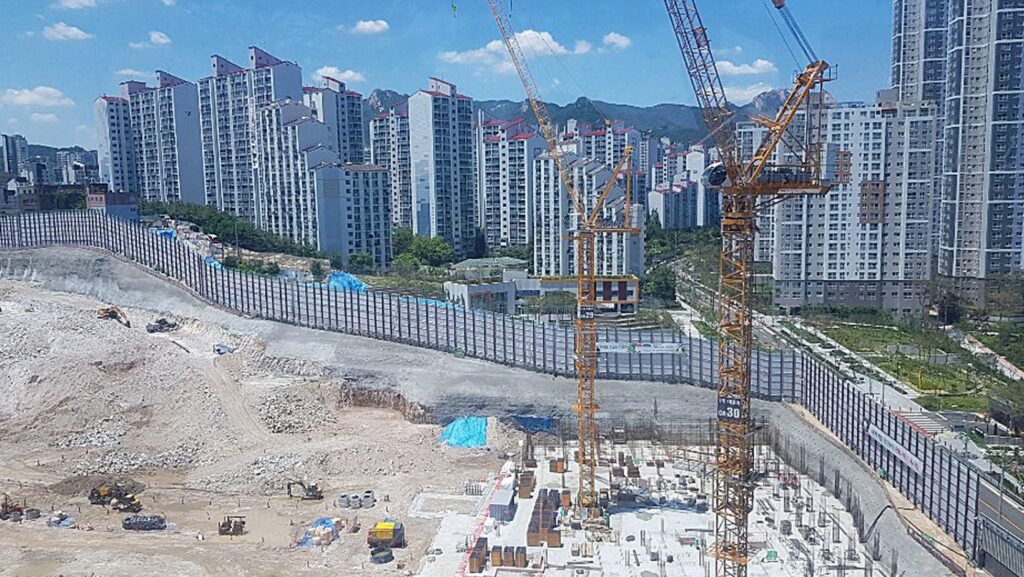
Across North America, thousands of former industrial and commercial properties remain underutilized due to environmental concerns left behind by previous operations. Aging manufacturing facilities, transportation hubs, fuel stations, and industrial sites often contain environmental challenges that must be addressed before redevelopment can occur.
As communities continue to prioritize sustainable growth, environmental remediation has become an essential part of transforming these properties into productive assets once again. Through proper planning, cleanup efforts, and responsible land management, previously neglected sites can support economic development while reducing environmental risks.
Today, environmental remediation plays a critical role in sustainable land use strategies across both urban and rural communities.
The Challenge of Legacy Industrial Sites
Many industrial properties were developed decades before modern environmental regulations were established. While these facilities often played an important role in local economies, some left behind infrastructure and contaminants that now require attention.
Common concerns include:
• Petroleum contamination
• Industrial waste materials
• Aging underground infrastructure
• Soil contamination
• Groundwater impacts
• Abandoned storage systems
These issues can limit redevelopment opportunities and create uncertainty for property owners, developers, and municipalities.
Addressing environmental risks early in the planning process helps unlock the long-term potential of these sites.
Why Redevelopment Matters
Redeveloping existing industrial properties offers significant environmental and economic benefits.
Rather than expanding development into undeveloped areas, communities can revitalize previously disturbed land while preserving natural resources and reducing urban sprawl.
Benefits often include:
• Increased property values
• New business opportunities
• Job creation
• Improved environmental conditions
• Reduced pressure on undeveloped land
• Enhanced community investment
Successful redevelopment projects demonstrate how environmental responsibility and economic growth can work together.
Environmental Remediation as the First Step
Before redevelopment can occur, environmental conditions must be properly evaluated and addressed.
The remediation process often begins with:
Site Assessments
Environmental professionals conduct assessments to identify potential contamination concerns and determine the scope of required cleanup efforts.
Risk Evaluation
Site-specific risks are analyzed to understand potential impacts on human health, groundwater resources, and surrounding ecosystems.
Cleanup Planning
Once conditions are understood, remediation strategies can be developed to address contamination and prepare the property for future use.
This structured approach helps ensure that redevelopment efforts are built upon a safe and sustainable foundation.
Addressing Aging Fuel Infrastructure
One of the most common challenges encountered during industrial redevelopment involves aging fuel storage systems.
Former gas stations, transportation facilities, industrial plants, and commercial properties often contain underground fuel tanks that have remained in place long after operations ceased.
Over time, deteriorating infrastructure can create environmental concerns that complicate redevelopment efforts.
For many projects, professional underground storage tank removal is a critical step in eliminating environmental liabilities and preparing sites for future development.
Removing obsolete fuel systems not only reduces environmental risks but also helps facilitate property transfers, regulatory compliance, and construction planning.
Supporting Sustainable Development Goals
Sustainability has become a central focus for developers, municipalities, and investors.
Environmental remediation supports sustainability objectives by:
• Restoring previously impacted land
• Reducing environmental hazards
• Encouraging responsible redevelopment
• Protecting groundwater resources
• Supporting long-term community growth
These outcomes align with broader efforts to create healthier and more resilient communities.
Many redevelopment projects now incorporate sustainability principles throughout every stage of planning and implementation.
The Role of Public and Private Partnerships
Successful redevelopment often requires collaboration between multiple stakeholders.
These may include:
• Property owners
• Developers
• Environmental consultants
• Regulatory agencies
• Community organizations
• Municipal governments
Public-private partnerships can help overcome financial and regulatory barriers that might otherwise prevent redevelopment from moving forward.
By working together, stakeholders can create solutions that benefit both local communities and the environment.
Economic Benefits of Environmental Cleanup
Environmental remediation is often viewed solely as a cost. However, many organizations increasingly recognize cleanup efforts as long-term investments.
Redevelopment can generate substantial economic value through:
• Increased tax revenues
• New employment opportunities
• Commercial development
• Infrastructure improvements
• Higher property values
When previously vacant or underutilized sites are returned to productive use, communities often experience lasting economic benefits.
Looking Ahead
As cities continue to grow and land availability becomes increasingly limited, redevelopment of existing industrial properties will remain an important strategy for sustainable growth.
Environmental remediation provides the foundation for this transformation. By addressing historical challenges and preparing sites for future use, communities can create new opportunities while protecting valuable environmental resources.
Organizations that embrace responsible redevelopment practices will play an important role in shaping more sustainable and resilient communities for generations to come.
Conclusion
Environmental remediation has become a cornerstone of sustainable land use planning. Through proper assessment, cleanup, and redevelopment strategies, former industrial properties can be transformed into valuable community assets.
Whether addressing contamination concerns, removing obsolete infrastructure, or supporting economic revitalization, remediation efforts help bridge the gap between past industrial activity and future sustainable growth. As redevelopment opportunities continue to expand, environmental stewardship will remain a critical component of successful land reuse projects.